
Introduction
In today’s digital landscape, businesses are constantly seeking innovative ways to reach their target audience. One of the most effective methods in recent years is Push Advertising. Unlike traditional forms of advertising that require customers to search for products, push advertising delivers marketing messages directly to users, creating instant visibility and engagement.
What is Push Advertising?
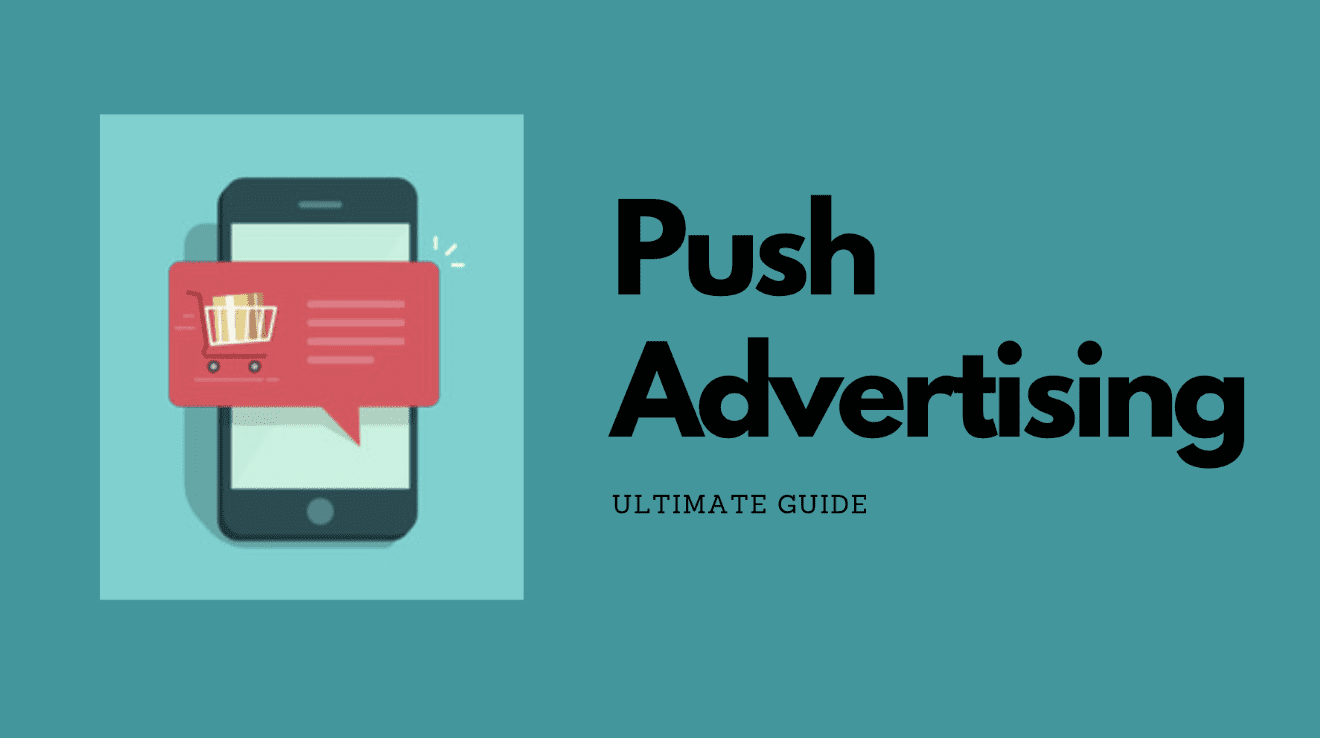
Push advertising is a form of digital marketing where ads are delivered directly to users’ devices, often via push notifications, web browsers, or in-app messages. These ads do not require prior user engagement; instead, they proactively “push” content, offers, or updates to potential customers.
Common examples include:
- Mobile push notifications from apps.
- Browser push ads that appear while browsing.
- In-app messages promoting offers.
How Push Advertising Works
Push advertising leverages user data and behavior tracking to send relevant messages at the right time. Advertisers typically use:
- Segmentation – targeting users based on demographics, location, or interests.
- Personalization – tailoring content to individual preferences.
- Automation tools – delivering ads through platforms like Google Ads, social media, or specialized push ad networks.
Benefits of Push Advertising
- Direct Communication – Reaches users instantly without waiting for them to search.
- High Visibility – Notifications appear on users’ devices, making them hard to ignore.
- Cost-Effective – Compared to traditional advertising, push ads are often cheaper and yield higher ROI.
- Better Engagement – Personalized messages increase click-through rates (CTR).
- Real-Time Reach – Brands can promote flash sales, discounts, or updates instantly.
Challenges of Push Advertising
While effective, push advertising comes with some challenges:
- User Resistance – Too many push notifications can annoy users.
- Ad Fatigue – Repetitive ads may reduce engagement.
- Privacy Concerns – Users may worry about how their data is used.
Best Practices for Push Advertising
- Segment Your Audience – Avoid sending the same ad to everyone.
- Timing is Key – Deliver notifications when users are most active.
- Keep It Short – Clear, concise messages perform better.
- Use Incentives – Discounts, promotions, or rewards increase clicks.
- Test and Optimize – Analyze performance and adjust campaigns.
Conclusion
Push advertising has transformed the way brands communicate with consumers. By delivering timely, relevant, and personalized ads directly to users, businesses can improve engagement, increase conversions, and strengthen brand visibility. However, to succeed, marketers must strike a balance between persistence and relevance